
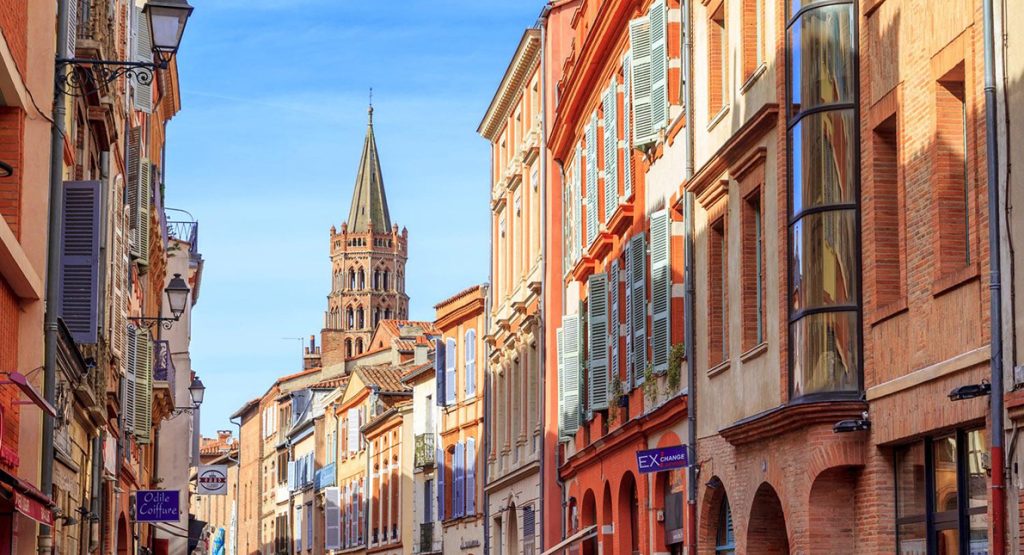
I still remember the first time I stepped off the plane at Toulouse–Blagnac Airport and felt the warm southern breeze. The “Pink City,” as it’s often called because of its terracotta-brick buildings, welcomed me with a charm I wasn’t fully prepared for. Toulouse is a place that sneaks up on you—it’s not as flashy as Paris, nor as wine-soaked as Bordeaux, yet it has this soulful mix of history, gastronomy, and lifestyle that I found intoxicating.
But let me be honest: my first trip to Toulouse could have gone smoother if I had known a few things in advance. From packing mistakes to overspending on transport, I learned my lessons the hard way. That’s why I’m writing this guide—for you, the first-time visitor, so you can avoid my rookie errors and dive straight into enjoying everything Toulouse has to offer.
I’ll break down the essentials: what to pack, how to dress, what the weather is really like, cultural quirks to respect, how to handle your budget, public transport tips (including the metro card), street food to try (and how to stay safe while eating it), getting a local SIM card, a 5-day mini itinerary, budget adjustments, day trips, and yes—even travel insurance.
🎒 Packing Essentials for Toulouse
When I first packed for Toulouse, I underestimated how unpredictable southern France’s weather can be. I assumed “south = warm” and only brought light clothes. Then I found myself shivering one breezy evening by the Garonne River. Here’s what I now always pack for a Toulouse trip:
• Comfortable walking shoes: Toulouse is best explored on foot, and cobblestones demand sneakers or cushioned flats.
• A light jacket or cardigan: Even in summer, evenings can get chilly.
• An umbrella or compact raincoat: Sudden showers are more common than you think.
• Reusable water bottle: Public fountains are safe, and refilling saves money.
• Travel adapter (Type E plug): France uses this socket, so bring the right one for your electronics.
• Daypack: Essential for carrying snacks, water, and souvenirs as you stroll.
My Pro Tip:
Don’t overpack. The shopping scene in Toulouse is vibrant—you might end up buying local fashion or artisan crafts, so leave some space in your suitcase.
👗 What to Wear in Toulouse
One of the cultural quirks I noticed right away is how effortlessly stylish locals are. Even casual wear seems polished. While no one will judge you for wearing jeans and sneakers, blending in adds to the experience.
• Spring/Summer: Light dresses, polos, linen shirts, and breathable fabrics.
• Autumn/Winter: Layer up—wool coats, scarves, and boots are common.
• Dining out: Restaurants, even casual ones, appreciate a neat look. Don’t show up in gym wear.
I once wore shorts to a mid-range brasserie and felt out of place. Lesson learned: when in Toulouse, dress just one notch smarter than you would at home.
🌦️ Toulouse Weather: What to Expect
Toulouse has a humid subtropical climate with Mediterranean touches. Translation: warm summers, mild winters, but unpredictable swings.
• Summer (June–August): Hot, averaging 27–30°C (81–86°F). Bring sunscreen.
• Autumn (September–November): Pleasant but rainy. Temperatures hover around 15–22°C (59–72°F).
• Winter (December–February): Mild, about 8–12°C (46–54°F), but mornings can be frosty.
• Spring (March–May): Fresh, green, and lovely, but showers are common.
When I visited in May, I had two days of blazing sunshine followed by three straight days of rain. My umbrella became my best friend.
🏛️ Local Culture: Things I Wish I Knew
Toulouse has its own rhythm, and I quickly realized I had to adapt:
• Lunchtime matters: Many shops close between 12:30 and 2:30 PM. I was caught off guard when I wanted to shop mid-day.
• Language: French dominates, but English is understood in tourist areas. A few polite phrases go a long way:
o “Bonjour” (hello) when entering shops.
o “Merci, au revoir” (thank you, goodbye) when leaving.
• Café culture: People sit for hours sipping espresso; it’s not about rushing.
I also noticed how proud locals are of their Occitan heritage—look for street signs written in both French and Occitan.
💶 Money Matters: Currency Exchange & Budgeting
France uses the Euro (€), and while cards are widely accepted, some small cafés or market stalls prefer cash.
• Currency exchange: I recommend using ATMs for the best rates instead of airport kiosks.
• Daily budget:
o Budget traveler: €50–70/day (hostel, street food, public transport).
o Mid-range: €100–150/day (3-star hotel, mix of bistros and attractions).
o Luxury: €200+/day (boutique stays, fine dining, wine tours).
I started with a €60/day budget but quickly realized Toulouse’s food scene demanded more flexibility. Adjusting to €100/day gave me room for indulgence without guilt.
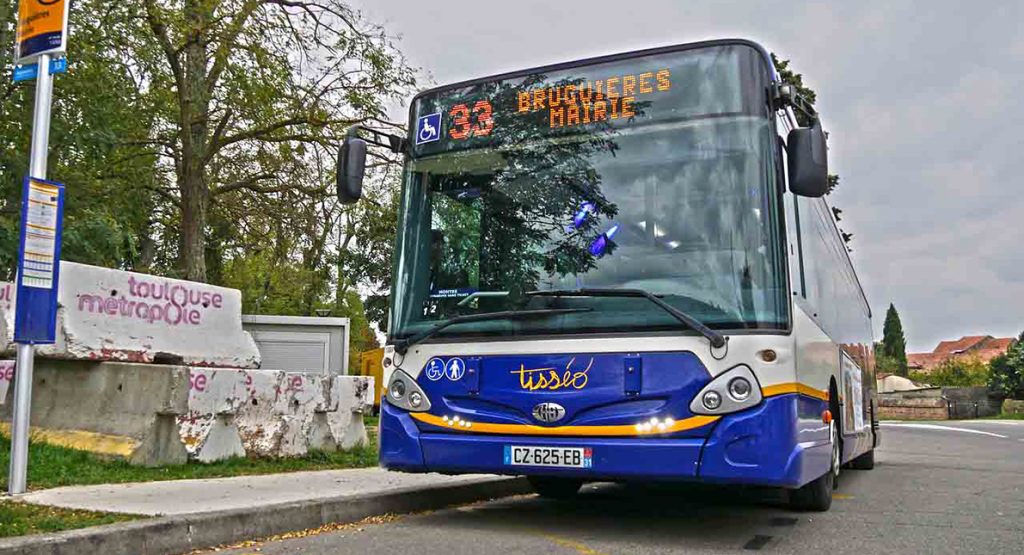
🚇 Getting Around: Metro, Trams & Buses
Toulouse’s public transport, managed by Tisséo, is efficient and affordable.
• Metro: 2 lines (A & B) connect most major areas. Clean, punctual, and easy to use.
• Trams: Great for reaching the airport.
• Buses: Cover the gaps where the metro doesn’t reach.
Metro Card: La Carte Pastel
I made the mistake of buying single-use tickets at first (€1.80 each). Then I discovered the Pastel Card:
• Cost: €8 deposit + loadable fares.
• Best option: 10-journey pass for €14.80.
• Where to get: Metro stations or Tisséo offices.
Comparing Metro Systems
Having used metros in Paris and Lyon, I’d say Toulouse’s system is smaller but less chaotic. No endless corridors or overwhelming crowds—it feels manageable.
🌮 Street Food to Try (and How to Stay Safe)
I’m a sucker for street food, and Toulouse did not disappoint. Some favorites:
- Cassoulet in a cup – hearty bean and sausage stew, around €6.
- Duck sandwiches – foie gras or magret, €5–7 at markets.
- Crêpes – sweet or savory, about €3–5.
- Pastis Gascon – flaky apple pastry, €2.50.
Food Safety Tips
• Stick to busy stalls with a fast turnover.
• Avoid pre-cut fruit left out in the sun.
• Carry hand sanitizer for markets.
I once ignored my own rule and bought lukewarm empanadas from a quiet stall. Let’s just say my stomach regretted it.
📱 Getting a Local SIM Card
Wi-Fi is common, but for navigating trams and Google Maps, I found having a SIM indispensable.
• Orange Holiday Europe: €20 for 12GB, valid 14 days.
• SFR La Carte: €10 starter pack + data top-ups.
• Bouygues Telecom: €20–25 for 20GB.
Available at the airport or city kiosks. I went with Orange because of its wide coverage.
🗓️ My 5-Day Toulouse Itinerary
Here’s the plan I wish I had followed:
• Day 1: Explore Capitole de Toulouse, Saint-Sernin Basilica, evening along the Garonne.
• Day 2: Cité de l’Espace (space museum), Jardin des Plantes.
• Day 3: Day trip to Albi (1 hr by train).
• Day 4: Canal du Midi cycling + wine tasting.
• Day 5: Markets (Victor Hugo), last-minute shopping, sunset at Pont Neuf.
💸 Adjusting Your Budget
I found Toulouse cheaper than Paris, especially dining. But costs add up with attractions. My tips:
• Buy a Toulouse Pass Tourisme (€18 for 24h, €35 for 72h). Includes metro rides + museum entries.
• Picnic with market food—saves money and feels authentically French.
• Use train day trips instead of renting a car.
🏞️ Recommended Day Trips
- Albi – UNESCO cathedral and Toulouse-Lautrec Museum.
- Carcassonne – Medieval walled city, 1 hr by train.
- Montauban – Smaller, artsy town, 45 mins away.
- Pyrenees – Longer trip but breathtaking mountains.
My favorite was Albi—its red-brick cathedral felt like a cousin of Toulouse’s architecture.
🛡️ Don’t Skip Travel Insurance
I used to skip insurance until a sprained ankle in Spain taught me better. For Toulouse, I chose Allianz Travel Insurance:
• €50 for a week’s coverage.
• Includes medical, trip cancellation, baggage loss.
• Easy claim process via app.
It gave me peace of mind, especially with active plans like cycling.
🌟 Toulouse is a city that deserves to be savored slowly. It’s not just about ticking off sights but about sitting at a café in Place du Capitole, watching the pink-hued buildings glow in the sunset, or sharing a cassoulet with locals at a bustling market.
My first trip had its share of mistakes—I overspent on transport, wore the wrong clothes, and got lost more than once. But those stumbles also led me to hidden squares, cozy wine bars, and conversations I’ll never forget.
If it’s your first time in Toulouse, my advice is simple: pack smart, eat boldly, use the metro wisely, and give yourself time to wander. And most importantly, don’t be afraid to make small mistakes—they often turn into the best stories.
Toulouse may be nicknamed the “Pink City,” but to me, it felt painted in every color of life—warm, vibrant, and unforgettable.