
Marseille had been on my bucket list for years. France’s oldest city, a crossroads of cultures, and the heartbeat of the Mediterranean—it sounded like everything I wanted rolled into one destination. But traveling to Marseille for the first time wasn’t exactly straightforward. I learned a lot the hard way, and looking back, there are many tips I wish I had known beforehand.
If you’re planning your first trip to Marseille, here’s my ultimate guide based on real experiences—from packing and budgeting to food, transportation, and even the day trips that made me fall in love with Provence even more.
Packing for Marseille: What I Should Have Brought
I realized almost instantly that I had underestimated the sun. The Mediterranean sun is unforgiving, even in spring, and the reflection off the sea intensifies it. Here’s what I recommend bringing:
- Sunscreen (SPF 50): Don’t settle for less. I got mine at a local pharmacy on Rue Saint-Ferréol for €12, but I wish I had packed one.
- Comfortable walking shoes: The old port and Le Panier district are full of cobblestones and steep lanes. Sneakers worked better than sandals for me.
- Reusable water bottle: Tap water in Marseille is safe to drink, and with so many fountains, I saved money by refilling.
- Light layers: Evenings can get windy, especially near the Vieux-Port. A light jacket saved me.
- Portable charger: Between Google Maps, taking photos, and looking up bus schedules, my phone drained fast.
Dressing in Marseille: Blending Comfort and Local Style
I quickly noticed that locals dress casually but stylishly. Think linen shirts, flowy dresses, and sunglasses. Tourists wearing sports jerseys or cargo shorts stood out immediately. My go-to became:
- Daytime: shorts + light shirt + sunglasses.
- Evening: a linen shirt and chinos for men, or a dress with a light jacket for women.
Marseille isn’t as formal as Paris, so comfort is key, but blending in with Mediterranean chic made me feel less like a tourist target.
Weather: What the Forecast Doesn’t Tell You
Before traveling, I checked the forecast, which showed 23°C and sunny. Sounds perfect, right? What I didn’t account for was the Mistral wind—a cold, powerful gust that can make a warm day feel chilly.
- Summer (June–August): Hot (28–34°C), bring hats and light clothes.
- Spring/Autumn (March–May, Sept–Nov): Mild but windy, great for walking.
- Winter (Dec–Feb): Rarely below 5°C, but the wind makes it feel colder.
Tip: Always carry a scarf or windbreaker—it saved me during a boat ride to the Calanques.
Understanding Local Culture
Marseille is not Paris. The city feels raw, vibrant, and a little chaotic. Here are a few cultural notes I picked up:
- Multicultural mix: Influences from North Africa, Italy, and Corsica are everywhere—especially in food and music.
- Laid-back vibe: Don’t expect Parisian punctuality. A “five-minute wait” for coffee might be fifteen.
- Football passion: OM (Olympique de Marseille) is a religion. On game days, the whole city wears blue and white.
For me, embracing this energy instead of comparing it to Paris made my trip much more enjoyable.
Money & Currency Exchange
Marseille uses the euro, of course, but here’s what I wish I knew:
- ATMs are everywhere, but avoid Euronet machines (they charge high fees). Use BNP Paribas or Société Générale.
- Currency exchange kiosks near the Old Port had poor rates. Better to withdraw cash.
- Card payments: Most cafés accept cards, but some smaller food stalls only take cash.
I budgeted about €80–100 per day (mid-range traveler). Some days I spent less, others more, depending on activities.
Budgeting: How I Managed My Expenses
Here’s roughly how my daily spending broke down:
- Accommodation: €70 (Airbnb near La Plaine).
- Food: €25–35 (street food lunches, sit-down dinners).
- Transport: €5–10 (metro, occasional Uber).
- Activities: €15–30 (museum entries, boat tour).
Tip: Marseille offers the CityPass (€27/day or €41/2 days), which includes unlimited transport and free entry to some museums and a boat trip. Worth it if you plan to pack activities in.
Public Transport in Marseille
Metro
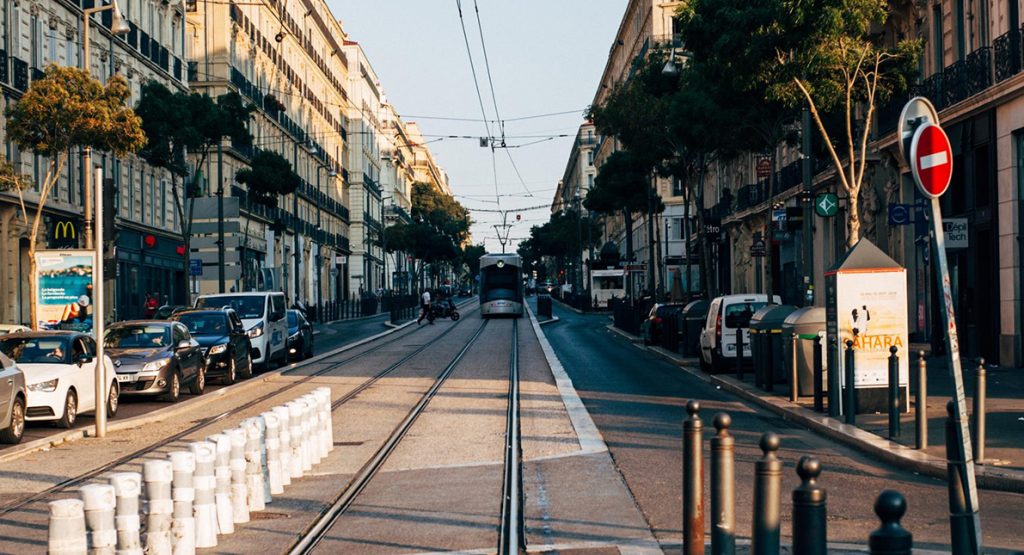
Marseille has two metro lines (M1 and M2). They’re simple, reliable, and safe during the day.
- Tickets: €1.90 single ride, €5.20 for 10 rides (Carte 10 voyages).
- Passes: 24-hour pass €5.20, 7-day pass €13.80.
- Hours: 5:00 AM – 10:30 PM.
I bought a rechargeable transport card (RTM Pass) at a machine in Saint-Charles station. It was straightforward and saved me time.
Buses & Trams
- Buses cover more neighborhoods but often run late.
- Trams are more scenic, especially Line T2, which passes through colorful districts.
Comparison to Paris Metro
Paris’s metro is huge and overwhelming, but Marseille’s is small and manageable. I never felt lost, and the stations were cleaner and less crowded.
Street Food: What to Try
Marseille’s multicultural vibe shines in its street food. These were my favorites:
- Panisse (fried chickpea cakes) – €3 at a stall in Le Panier. Crunchy outside, soft inside.
- Pieds et paquets (stuffed tripe, not for everyone) – tried at Marché des Capucins. €8 plate.
- North African couscous – giant portions near Noailles Market, around €10.
- Navettes (orange blossom biscuits) – €5 for a pack at Four des Navettes (the city’s oldest bakery).
Street Food Safety
- I avoided raw seafood unless in a proper restaurant.
- Always check if stalls have locals eating there—it’s the best sign of quality.
Staying Connected: Getting a Local SIM
I bought an Orange Holiday SIM at a tabac shop for €20 (10GB + calls). Setup took 5 minutes. Other options:
- SFR: Cheaper but weaker coverage near the Calanques.
- Bouygues Telecom: Good value, about €15 for 20GB.
For me, Orange worked best because I needed reliable data for maps.
My 5-Day Itinerary in Marseille
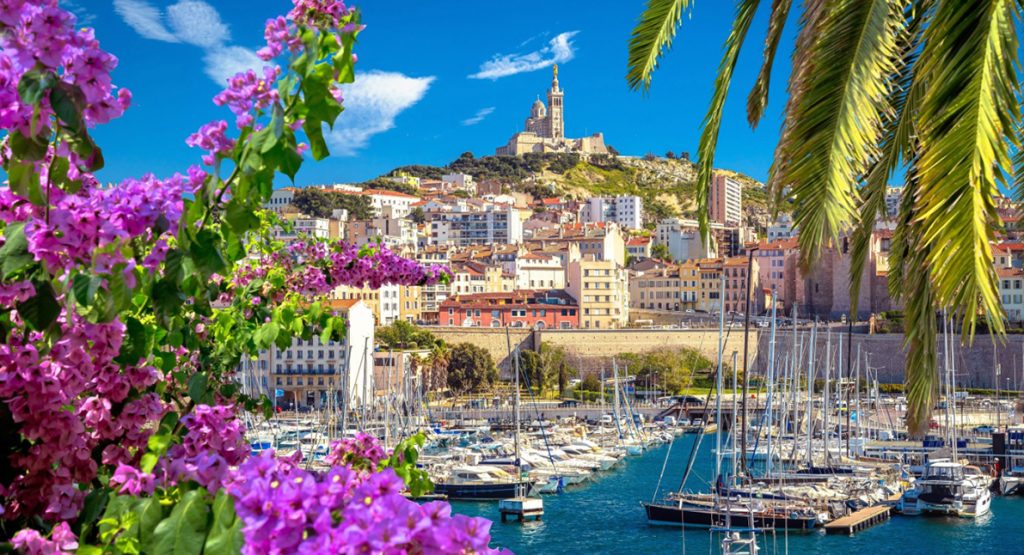
Day 1: Old Port & Le Panier
- Walk along Vieux-Port, coffee at La Samaritaine.
- Explore Le Panier’s narrow lanes, street art, and boutiques.
- Dinner: Bouillabaisse at Chez Fonfon (€50, but worth it once).
Day 2: Culture & History
- Morning: MuCEM (€11 entry, free with CityPass).
- Afternoon: Fort Saint-Jean and Cathedral de la Major.
- Evening: Sunset drinks at R2 Rooftop.
Day 3: Calanques National Park
- Boat from Vieux-Port (€25 return).
- Hike in Calanque d’En-Vau—blue waters like a postcard.
- Bring sturdy shoes and water.
Day 4: Day Trip to Cassis
- Train from Saint-Charles (€6 one way, 30 min).
- Explore the harbor, swim, eat fresh seafood.
Day 5: Markets & Chill
- Morning: Marché des Capucins for spices and local food.
- Afternoon: Beach time at Plage du Prado.
- Evening: Wander Cours Julien’s bars and street art.
Day Trip Ideas Beyond Marseille
- Aix-en-Provence: Elegant, artsy town (30 min by train, €8).
- Arles: Roman amphitheater and Van Gogh vibes (1 hour, €12).
- Bandol: Wine-tasting by the sea (45 min by train, €10).
- Camargue: Flamingos, salt flats, and wild horses. Tours start at €50.
Travel Insurance: Don’t Skip It
I never travel without insurance anymore. For this trip, I used Allianz Travel Insurance – Single Trip Plan.
- Cost: €35 for one week.
- Coverage: medical emergencies up to €200,000, trip cancellation, lost luggage.
- Why I liked it: I had peace of mind when hiking in the Calanques.
Other good options:
- World Nomads: Great for adventurous travelers.
- AXA Schengen Travel Insurance: Budget-friendly if you just need medical coverage.
Falling in Love With Marseille
Marseille is messy, colorful, loud, and unforgettable. It doesn’t pretend to be perfect, and that’s exactly what makes it charming. From the chaos of Noailles Market to the serenity of the Calanques, the city constantly surprised me.
My advice for first-timers: be flexible, be curious, and be open-minded. Marseille isn’t polished like Paris, but it has soul. And once you let yourself get lost in its rhythms, you’ll understand why so many people fall in love with it.