
Traveling between Montpellier and Marseille is one of those quintessential southern France journeys that every traveler should experience at least once. These two Mediterranean cities—vibrant, sun-kissed, and culturally rich—are just a couple of hours apart, yet they offer distinct vibes. Montpellier feels young, artsy, and full of students, while Marseille greets you with rugged coastlines, fishing boats, and the salty Mediterranean air.
After experimenting with different modes of transport, I finally found what worked best for me. And in this article, I’ll share my detailed experience, especially my most recent train journey on a TGV InOui service, which turned out to be both efficient and surprisingly enjoyable.
I’ll walk you through the specific train I took, the seat type, ticketing options, prices, booking platforms, and then compare my experience with buses and planes. I’ll also recommend four additional train services you can consider, sprinkle in some insider tips, and even talk about the stations and nearby amenities.
Why Travel Between Montpellier and Marseille?
Before diving into the logistics, let me explain why this route matters so much.
• Short but diverse journey: It’s about 170 kilometers, yet you move from Montpellier’s leafy boulevards to Marseille’s bustling Old Port in just under two hours.
• Perfect for day trips: If you start early, you can have breakfast in Montpellier and enjoy dinner overlooking Marseille’s Calanques.
• Multiple options: Plane, bus, and train are all viable, so you can choose depending on your budget and schedule.
For me, it was also about the romance of rail travel: sitting back, watching vineyards pass by, and sipping coffee while reading about Marseille’s culinary scene.
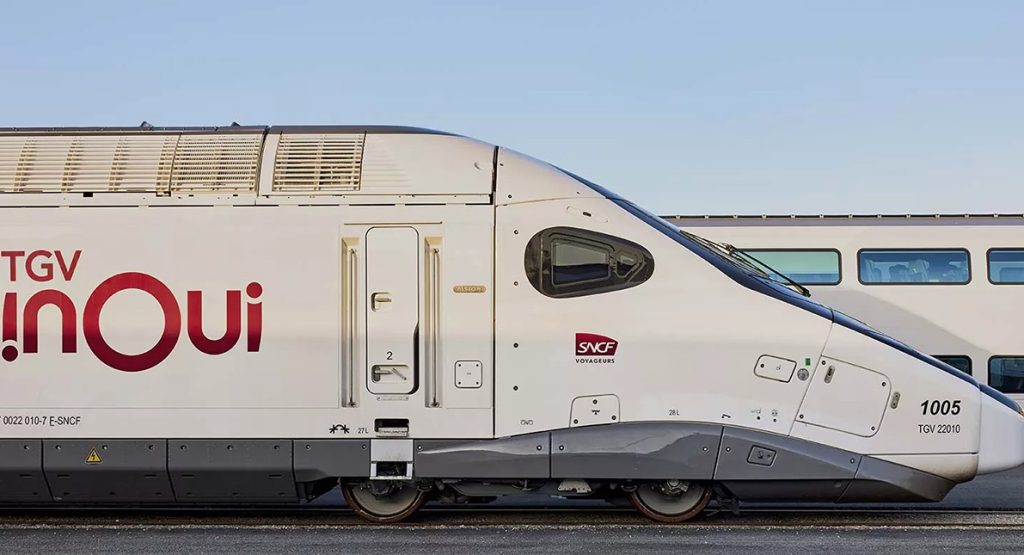
My Chosen Journey: TGV InOui 6204
The last time I traveled, I booked TGV InOui train number 6204, which departs from Montpellier Saint-Roch station at 09:12 AM and arrives at Marseille Saint-Charles at around 10:45 AM.
Seat Type: Second-Class Window Seat
I chose a second-class window seat for this ride. Many travelers think second class is uncomfortable, but on the TGV InOui, it’s surprisingly spacious. My seat reclined slightly, there was a fold-out table for my laptop, and enough legroom for me (I’m nearly 1.80m tall). The window view was stunning—vineyards, occasional glimpses of the Mediterranean, and even small villages that looked straight out of a Cézanne painting.
Wi-Fi was available, though slightly patchy in rural stretches. Power outlets worked fine, which meant I could charge my phone and camera before hitting Marseille.
Ticket Prices: One-Way vs. Return
Here’s what I paid and what I found while researching other options:
• One-way ticket: I booked about three weeks in advance and paid €29.00 for second class. Prices usually range between €25–€55 depending on how early you book.
• Return ticket: A flexible return ticket on the same route was around €58–€65 in second class, while first class often started at €75–€90.
• Discounts:
o SNCF offers youth discounts (Carte Avantage Jeune), senior discounts, and family passes.
o If you’re under 27, you can get one-way fares as low as €19.
o Families traveling with kids under 12 often save about 30–40%.
I compared it with buses (around €12–€20 one-way) and flights (starting at €50–€80 but adding baggage fees). Considering comfort, time, and reliability, the train felt like the sweet spot.
My Travel Experience: Honest Impressions
Boarding at Montpellier Saint-Roch
Montpellier Saint-Roch is conveniently in the city center, just a 10-minute tram ride from Place de la Comédie. The station itself is modern but can feel crowded during peak hours. I arrived about 30 minutes early, had time for a quick croissant and espresso at a station café, and easily found my platform.
The Journey
Once we departed, the train was quiet, smooth, and relaxing. I noticed that most passengers were business travelers or students. The train staff made a couple of announcements in French and English, which was helpful.
I loved the fact that within just 30 minutes, we were running alongside the Mediterranean. The blue waters glistened under the morning sun, and I found myself glued to the window. I wrote some travel notes, took photos, and even managed to answer a few client emails.
Arrival at Marseille Saint-Charles
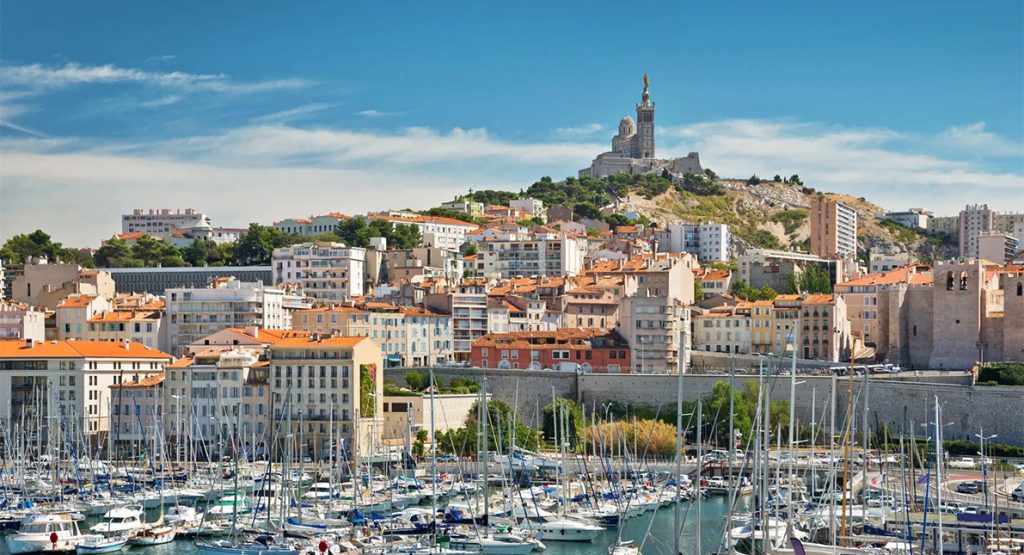
We pulled into Marseille Saint-Charles right on time. The station is perched above the city, and stepping outside onto the monumental staircase felt like a cinematic moment. Suddenly, Marseille was at my feet: bustling, noisy, colorful, and full of life.
Alternative Train Services: Four Options Worth Considering
If you’re planning your own trip, here are four train services I recommend (all real options you’ll find on SNCF Connect or Trainline):
- TGV InOui 6202
o Departure: 07:12 AM (Montpellier Saint-Roch)
o Arrival: 08:45 AM (Marseille Saint-Charles)
o Best for early risers wanting a full day in Marseille. - TER Occitanie 878654
o Departure: 10:21 AM
o Arrival: 12:25 PM
o Slower but cheaper, often €15–€20 if booked in advance. - TGV InOui 6210
o Departure: 01:12 PM
o Arrival: 02:45 PM
o Ideal for a relaxed start to the day. - Ouigo Train 7882
o Departure: 06:05 PM
o Arrival: 07:45 PM
o Budget option: prices start at €10–€20, but luggage rules are stricter.
Comparing Plane, Train, and Bus
Plane
• Airlines: Air France and low-cost carriers sometimes operate the route.
• Duration: 50 minutes in the air, but 2–3 hours including airport transfers and security.
• Cost: €50–€100 plus baggage.
• Verdict: Only worth it if you’re connecting to another international flight.
Train
• Duration: 1h30–2h15 depending on service.
• Cost: €20–€65.
• Verdict: Fast, comfortable, scenic—my clear winner.
Bus
• Companies: FlixBus, BlaBlaBus.
• Duration: 3–4 hours.
• Cost: €12–€25.
• Verdict: Great for tight budgets, but less comfortable and less reliable.
Insider Tips for Booking
• Book early: Prices rise closer to the date. Three weeks ahead usually gives the best deals.
• Travel off-peak: Avoid Friday evenings and Sunday afternoons when prices surge.
• Consider Ouigo: Budget TGVs with fewer amenities but unbeatable fares.
• Look for discount cards: “Carte Avantage” pays off if you’re traveling multiple times in France.
Montpellier Saint-Roch Station: What You Should Know
• Location: Right in the city center, accessible via tram lines 1, 2, 3, and 4.
• Services: Cafés, small shops, ATMs, luggage lockers, and Wi-Fi.
• Tips: The station is compact, but platforms can be confusing—always check the departure board twice.
Marseille Saint-Charles Station
• Location: At the top of Boulevard d’Athènes, about 15 minutes’ walk to the Old Port.
• Services: Multiple car rental desks, luggage storage, tourist information, bakeries, and ticket counters.
• Connections: Metro lines M1 and M2 connect the station directly to the rest of the city.
Booking Platforms I Recommend
After years of experimenting, here are the websites and apps I personally use:
• SNCF Connect: Best for official tickets, French language interface, loyalty points.
• Trainline: English-friendly, easy to compare services, accepts international cards.
• Omio: Great if you want to combine train + bus + flight.
• Rail Europe: Perfect for overseas travelers who want to pay in their home currency.
Tip: Always compare Trainline and SNCF Connect before booking. Sometimes one has a promotion the other doesn’t.
My Verdict
After trying all three modes of transport—plane, bus, and train—the train wins hands down for this journey. It strikes the perfect balance between speed, comfort, price, and environmental sustainability. My trip on TGV InOui 6204 was smooth, scenic, and stress-free, and stepping out into Marseille Saint-Charles felt like the start of a true Mediterranean adventure.
But beyond the practicalities, this trip reminded me why I fell in love with travel in the first place. There is something special about watching the landscape transform through the train window—from Montpellier’s leafy boulevards to vineyards, salt marshes, and eventually Marseille’s rugged skyline. It’s a kind of slow cinema, and you’re the only audience member who matters.
If you’re traveling as a couple, the train is perfect for quiet conversations and stolen glances out the window. If you’re a solo traveler like me on this particular trip, it becomes your personal space to reflect, write, or simply observe. For families, the freedom to stretch your legs and move between carriages beats the confinement of buses or planes any day.
From a sustainability perspective, the train is also the greener choice. France is proud of its rail system, and by choosing the TGV or TER, you’re contributing—albeit in a small way—to reducing carbon emissions. For me, that feels like an added bonus, especially when traveling frequently.
So, if you’re hesitating between bus, plane, or train, here’s my advice:
• If you’re on a tight budget and don’t mind a longer trip, the bus will save you some euros.
• If you’re connecting to a long-haul flight, the plane may make sense.
• But if you want the perfect blend of efficiency, beauty, and comfort, take the train.
And remember: book early, choose a window seat, and give yourself a little extra time at both stations. Have a coffee at Montpellier Saint-Roch before boarding, and once you arrive in Marseille, pause at the top of the station’s grand staircase to soak in the view. That moment alone is worth the journey.
In the end, this isn’t just about moving from point A to point B. It’s about savoring the in-between, the anticipation, and the small pleasures of travel. For me, the train wasn’t just the best option logistically—it was also the most memorable part of my journey.
So the next time you’re planning the route from Montpellier to Marseille, I hope you’ll give the train a try. Who knows? You might find yourself falling in love with the journey as much as the destination.