
Why Nice Caught Me Off Guard
I’ll admit it: I thought I knew what to expect before visiting Nice. The photos had shown me sun-drenched beaches, elegant promenades, and pastel-colored buildings. But stepping into the city for the first time was something else entirely. Nice wasn’t just a picture-perfect Riviera postcard—it was alive, layered, full of surprises, and sometimes a little overwhelming if you’re not prepared.
After over ten years of advising travelers, I’ve learned that the difference between a stressful first trip and a truly memorable one comes down to knowing the right little details: what to pack, how to budget, where to eat without regret, and even how to use public transport without fumbling at the ticket machine.
If you’re heading to Nice for the first time, here’s everything I wish I had known beforehand—shared honestly, with both my mistakes and my discoveries.
1. Packing Smart: What I Wish I Had Brought
When I arrived in Nice in late spring, I thought my suitcase was perfect: a few dresses, sandals, and a light jacket. But the Mediterranean has its quirks. Within a week, I realized I was missing several essentials:
- Light layers: Mornings can be breezy, and evenings on the Promenade des Anglais are cooler than you think. A light cardigan or scarf became my best friend.
- Walking shoes: Forget only packing sandals. Between cobblestoned Old Town streets and the climb up Castle Hill, sturdy sneakers saved my feet.
- Swimwear (more than one set!): Beaches in Nice are pebbled, which means swimsuits dry slower. Having a spare made beach days stress-free.
- A reusable water bottle: Tap water is safe to drink, and filling up at fountains saves money.
- A small beach mat or foldable chair: Unless you want to pay €20–30 per day at a private beach club. I learned this the hard way.
Looking back, I wish I had been more intentional. Packing for Nice is not about fashion for Instagram photos—it’s about versatility and comfort while still feeling stylish enough to blend with the effortlessly chic locals.
2. Dressing for the Riviera: Blending In Without Overpacking
The people of Nice have a certain elegance. It’s not flashy, but it’s polished—linen shirts, tailored shorts, simple dresses with sandals. The good news? You don’t need to pack your entire wardrobe to fit in.
- Daytime: Light cotton, linen, or breathable fabrics. Sunglasses are a must.
- Evening: Casual chic. Many restaurants don’t enforce dress codes, but I felt more comfortable swapping my daytime sandals for flats.
- Beachwear etiquette: Wear cover-ups when walking through town. Locals find it odd to see tourists wandering Old Town in bikinis.
Pro tip: Pack one slightly dressier outfit. I wore mine when I splurged on dinner at a Michelin-starred restaurant overlooking the sea—it made the night feel extra special.
3. Understanding the Weather: More Nuanced Than You Think
Nice enjoys over 300 days of sunshine a year, but don’t assume it’s hot all the time.
- Spring (March–May): Mild, with blooming flowers. Temperatures average 13–20°C (55–68°F). Bring layers.
- Summer (June–August): Hot and dry, averaging 25–30°C (77–86°F). Sunscreen is essential.
- Autumn (September–November): Still warm, with fewer crowds.
- Winter (December–February): Surprisingly mild compared to the rest of Europe—around 10–15°C (50–59°F). Not beach weather, but perfect for exploring.
My mistake: underestimating the power of the Mediterranean sun. Even in April, I got slightly sunburnt after just two hours at the beach without reapplying sunscreen. Learn from me—pack SPF 30+ and reapply.
4. Cultural Insights: Living the Niçois Way
One of the joys of traveling is noticing the little cultural nuances:
- Language: French dominates, but Italian influences linger. Many older locals understand Italian better than English.
- Pace of life: Shops close midday, and Sundays are quiet. Plan your shopping for weekdays.
- Food culture: Meals are meant to be enjoyed slowly. Don’t rush.
- Politeness: Always greet with “Bonjour” before asking a question. It makes interactions warmer.
During my first café visit, I made the mistake of jumping straight into ordering in English. The waiter seemed distant until I restarted with a polite “Bonjour, monsieur.” Suddenly, the interaction softened. A small detail, but it transformed my experience.
5. Money & Budgeting: How to Avoid Rookie Mistakes
Nice isn’t the cheapest city in France, but with planning, you don’t need to break the bank.
- Currency: Euro (€). ATMs are widely available, but avoid those inside airports for better rates.
- Daily budget: €70–100 for mid-range travel (includes meals, transport, and entrance fees).
- Where I overspent: Private beaches. €30 for a sun lounger adds up quickly.
- Where I saved: Buying fresh fruit and baguettes at local markets like Cours Saleya instead of eating out for every meal.
Pro tip: Carry some small coins. Many public toilets require €0.50–1, and it’s embarrassing to be caught without.
6. Getting Around Nice: Public Transport Secrets
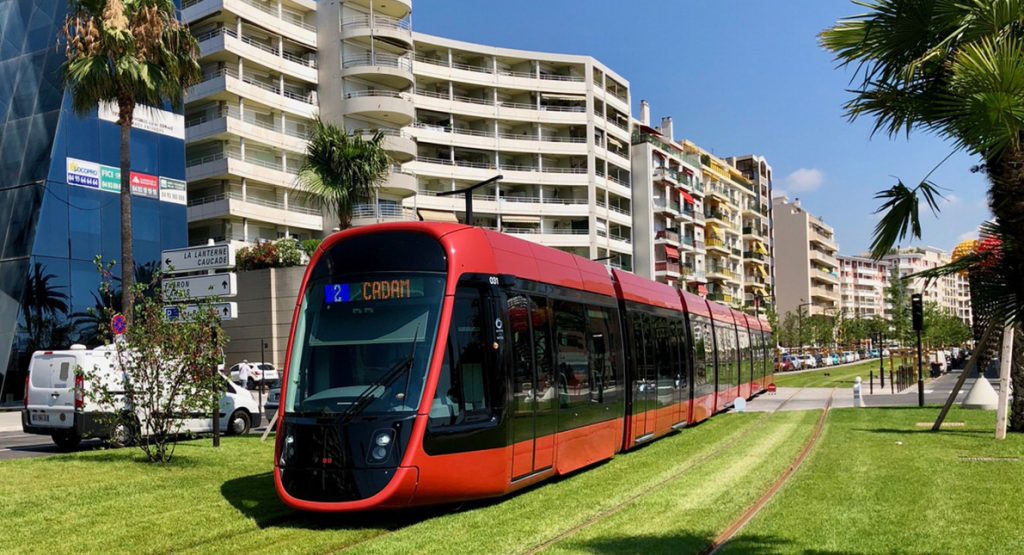
Here’s where first-timers often stumble. Nice doesn’t have a metro system like Paris, but its trams and buses are excellent.
- Trams: Three main lines.
- Line 2: The airport line—super convenient.
- Tickets: €1.70 for 74 minutes of travel (can transfer between trams/buses).
- Pass options:
- 1-day pass: €5
- 7-day pass: €15
- Where to buy: Machines at tram stops (accept cards and coins).
My mistake with tickets
On my first day, I forgot to validate my ticket by stamping it in the machine inside the tram. A ticket inspector boarded, and I narrowly avoided a fine after showing my freshly purchased but unstamped ticket. Lesson: always validate!
7. Comparing Transit Options: Trams vs. Buses vs. Bikes
- Trams: Fast, reliable, air-conditioned. My go-to.
- Buses: Cheaper but slower, especially during rush hour.
- Bikes & e-scooters: Nice has “Vélo Bleu,” a bike-share program. Perfect for the Promenade des Anglais.
I tried an e-scooter once and quickly realized it wasn’t the best idea on cobblestoned Old Town streets. Trams remain the smoothest option.
8. Foodie Highlights: Street Eats I’ll Never Forget
Nice has its own local specialties you can’t miss. My top three:
- Socca: A chickpea pancake, crispy outside, soft inside. Best from Chez Pipo (€3–4).
- Pissaladière: Caramelized onion tart with anchovies. Sold in bakeries for about €2.50 a slice.
- Pan Bagnat: A sandwich stuffed with Niçoise salad ingredients. Perfect for beach picnics.
Food safety tip: Street food is generally safe, but avoid stalls where items look like they’ve been sitting out in the sun too long.
9. Staying Connected: Getting a Local SIM Card
Roaming fees in Europe can still sting if you’re not prepared. I bought a Bouygues Telecom prepaid SIM at Nice airport:
- Cost: €20 for 20GB valid for one month.
- Activation: Instant, with English instructions.
- Alternative: Orange Holiday SIM (slightly pricier but more coverage).
This gave me peace of mind for navigation, booking tickets, and even uploading those inevitable beach photos.
10. My 5-Day Mini Itinerary for First-Timers
Here’s how I’d structure a first trip:
Day 1: Explore Old Town (Vieux Nice), climb Castle Hill, and enjoy sunset on Promenade des Anglais.
Day 2: Visit museums like Matisse Museum and Marc Chagall National Museum.
Day 3: Day trip to Èze Village for perfume-making workshops.
Day 4: Beach day + dinner in the Port area.
Day 5: Take the train to Monaco for a quick taste of luxury.
I wish I had followed this pacing earlier instead of trying to cram everything into three days—it’s better to breathe and enjoy.
11. Insurance: Don’t Overlook This!
One mistake travelers make is skipping insurance. I personally used Allianz Travel Insurance on this trip.
- Cost: Around €40 for a week.
- Coverage: Medical, trip cancellations, lost luggage.
- Why it mattered: I had a minor ankle sprain, and knowing I had coverage gave me peace of mind.
Trust me—one accident can wipe out months of savings. Insurance isn’t optional; it’s essential.
12. Day Trips Worth Your Time
Nice is a gateway city. I recommend:
- Èze: For medieval charm and perfume factories.
- Antibes: Picasso Museum + stunning beaches.
- Cannes: Glimpse of glamor, especially during film festival season.
- Monaco: Easy 25-minute train ride.
Each trip cost me under €10 by train, which made them budget-friendly add-ons.
Why Nice Deserves More Than a Weekend
Looking back, I can’t imagine limiting Nice to just a quick stop. The city rewards those who linger: mornings in markets, afternoons on hidden beaches, evenings strolling Old Town’s narrow lanes.
For first-timers, preparation makes all the difference. Know what to pack, how to ride the trams, which foods to try, and when to slow down. Nice isn’t just a destination—it’s a way of living.
If you’re heading there soon, take this guide as both a roadmap and a friendly nudge. Pack wisely, eat adventurously, ride the tram without stress, and always carry sunscreen.
Because once you’ve stood on the Promenade des Anglais at sunset, watching the Mediterranean turn gold, you’ll realize why people like me keep coming back. Nice isn’t just nice—it’s unforgettable.