
Montpellier is not just about sunny boulevards, medieval streets, and its nickname La Surdouée (“the gifted one”). It’s also a city where food speaks loudly of tradition, climate, and culture.
During my time in Montpellier, I deliberately avoided the purely touristy eateries in Place de la Comédie (although some are charming) and instead sought out restaurants where locals eat, where traditional dishes like tielle sétoise, brandade de morue, and gardianne de taureau are still made with respect for their origins. Below, I’ll share five of the best restaurants I visited, what I ate, what it cost, and—most importantly—how it made me feel. After that, I’ll add some practical tips about reservations, food safety, and budgeting, because enjoying food abroad is as much about planning as it is about taste.
- Le Petit Jardin – A Garden Oasis in the Historic Center
📍 20 Rue Jean Jacques Rousseau, Montpellier
💶 Price range: Starters €10–15, mains €20–35, desserts €9–12
Le Petit Jardin is one of those restaurants where the setting is half the experience. Tucked behind Montpellier’s cathedral, it has a leafy courtyard that feels like a secret hideaway. I came here for dinner after a long day exploring the Écusson (the medieval old town).
What I ordered:
• Starter: Brandade de morue (salt cod purée with olive oil, garlic, and mashed potato) – €12
• Main: Gardianne de taureau (bull meat stew, slow-cooked in red wine, olives, and Provençal herbs) – €28
• Dessert: A lavender crème brûlée – €10
Personal experience: The brandade was creamy, garlicky, and perfectly balanced with slices of toasted bread. The gardianne de taureau was a revelation—it tasted rustic, like something served at a farmhouse table. The meat was tender, the sauce rich and earthy. I paired it with a glass of local Pic Saint-Loup red (€7) and felt like I’d been let into a centuries-old secret.
Service & atmosphere: Attentive but relaxed. My waiter explained the origin of gardianne, which comes from the Camargue region nearby. The garden setting, with fairy lights strung across the trees, made it feel romantic but not pretentious.
Pros: Beautiful setting, authentic regional dishes, excellent wine list.
Cons: A bit pricey for budget travelers, but worth it for a splurge night.
- Chez Boris – The Best Place for Meat Lovers
📍 17 Boulevard Sarrail, Montpellier
💶 Price range: Starters €9–14, mains €18–30, plat du jour €15–18
Chez Boris is famous in Montpellier for its grilled meats, especially steak tartare and entrecôte. I came here for lunch with a local friend who swore by the place.
What I ordered:
• Starter: Salade de chèvre chaud (warm goat cheese salad with honey) – €11
• Main: Entrecôte de boeuf grillée (grilled ribeye steak) with fries – €25
• Dessert: Chocolate mousse – €8
Personal experience: The goat cheese salad was simple but divine—the cheese melted into the toasted bread, the honey adding sweetness that played against the fresh greens. The entrecôte was cooked à point (medium), exactly as I like it, and the fries were golden and crisp.
Service & atmosphere: The interior is cozy, with red banquettes and a kind of old-French brasserie vibe. The waiters were brisk but efficient. What I loved most was how unapologetically French it felt: no fuss, just good food.
Pros: Fantastic for steak and hearty meals, generous portions.
Cons: Vegetarians will struggle; it’s very meat-centered.
- Le Terminal #1 – Contemporary Flair on Traditional Flavors
📍 1408 Avenue de la Pompignane, Montpellier
💶 Price range: Starters €15–20, mains €25–40, tasting menus €55–70
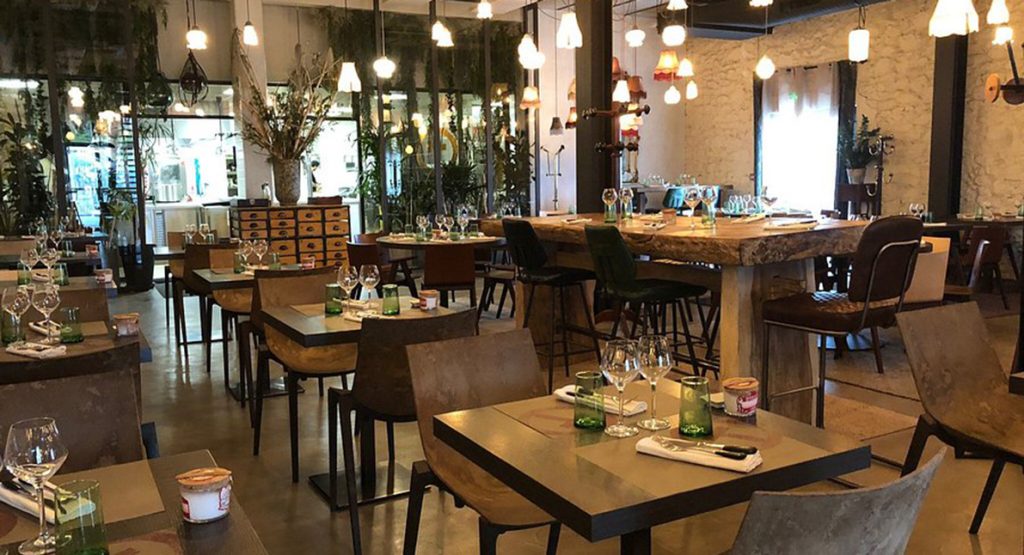
This Michelin-starred restaurant by the Pourcel brothers is a bit outside the city center, but it’s worth the taxi ride. It’s where traditional Languedoc flavors meet fine dining creativity.
What I ordered:
• Starter: Tielle sétoise revisited (the famous octopus pie from Sète, presented as a delicate tart) – €18
• Main: Pigeon rôti au foie gras (roast pigeon stuffed with foie gras, served with spiced jus) – €35
• Dessert: Chocolat grand cru with citrus – €12
Personal experience: This was a treat. The tielle was refined but still captured the sea-and-tomato punch of the traditional version. The pigeon was extraordinary—earthy, luxurious, with foie gras adding richness without overwhelming. Every dish looked like art, but it wasn’t pretentious.
Service & atmosphere: Elegant without being intimidating. The staff spoke perfect English and explained the wine pairings. The dining room has big glass windows that make the space feel airy and modern.
Pros: Creative reimagining of regional dishes, attentive service, great for special occasions.
Cons: Expensive; not an everyday choice.
- La Diligence – Dining in a 13th-Century Setting
📍 2 Place Pétrarque, Montpellier
💶 Price range: Starters €10–14, mains €20–30, menus €28–42
Located in a former mansion in the heart of the Écusson, La Diligence offers traditional cuisine in a medieval dining room with vaulted stone ceilings.
What I ordered:
• Starter: Foie gras maison (house-made foie gras with fig chutney) – €13
• Main: Cassoulet (slow-cooked beans with duck confit, sausage, and pork) – €22
• Dessert: Apple tarte Tatin – €9
Personal experience: The foie gras was silky, perfectly balanced with the sweet fig chutney. The cassoulet was hearty and warming, with smoky sausage and melt-in-your-mouth duck. Eating it in that centuries-old room felt like stepping back in time.
Service & atmosphere: Slightly formal, but friendly. The staff were happy to recommend wines from the Languedoc region.
Pros: Historic setting, authentic cassoulet, strong sense of tradition.
Cons: Portions are big—don’t order too much if you can’t handle heavy dishes.
- Les Bains de Montpellier – Dining Beside the Comédie
📍 Place de la Comédie, Montpellier
💶 Price range: Starters €8–12, mains €16–25, desserts €7–10
This is the place to be if you want to dine right next to Montpellier’s beating heart, the Place de la Comédie. It’s stylish but not overpriced, and locals actually come here—not just tourists.
What I ordered:
• Starter: Oeufs cocotte au roquefort (baked eggs with Roquefort cheese) – €10
• Main: Magret de canard (duck breast) with honey and thyme – €22
• Dessert: Lemon tart – €8
Personal experience: The baked eggs were comforting and rich. The duck breast was cooked perfectly pink in the middle, with a sweet-savory glaze that matched beautifully. Eating on the terrace gave me a view of the square, perfect for people-watching.
Service & atmosphere: Chic but relaxed. Great for lunch while sightseeing.
Pros: Central location, excellent duck dishes, good value for money.
Cons: Can get crowded; service slows down during peak times.
Other Traditional Foods You Shouldn’t Miss in Montpellier
Even beyond these five restaurants, Montpellier offers regional specialties that you should keep an eye out for:
• Tapenade: Olive paste spread, perfect with bread or as an appetizer.
• Pélardon: A small, tangy goat cheese from Cévennes.
• Seafood from Sète: Octopus, mussels, and oysters.
• La fougasse: A flatbread with olives or lardons.
Practical Tips for Eating in Montpellier
Reservations
• Popular restaurants like Le Petit Jardin and La Diligence require booking at least a few days in advance, especially on weekends.
• Use LaFourchette (TheFork) for easy online reservations and sometimes discounts.
Budgeting
• A sit-down meal at a mid-range restaurant: €25–35 per person.
• A glass of wine: €5–8.
• A full tasting menu at a Michelin-starred restaurant: €60–100.
Food Safety
• Street food is rare, but if you try markets (like Marché des Arceaux), stick to stalls with fresh turnover.
• Tap water is safe to drink; you don’t need to order bottled unless you prefer.
Cultural Notes
• Lunch is usually served from 12–2 pm, dinner from 7:30–10 pm. Don’t expect restaurants to serve food all day.
• Tipping is modest—round up or leave €1–2, since service is included.
Why Eating in Montpellier Matters
Eating in Montpellier taught me that food here is not just nourishment—it’s an encounter with centuries of tradition and the soul of the Mediterranean. From hearty cassoulet in a medieval hall to delicate lavender crème brûlée in a hidden garden, each meal added a new layer to my understanding of the city.
For me, the highlight was the gardianne de taureau at Le Petit Jardin. Every bite was like tasting the Camargue marshes, the vineyards, and the herbs that grow wild under the southern sun. It reminded me why I travel: to eat, to discover, to feel connected.
If you come to Montpellier, come hungry. Leave space in your itinerary and your stomach for meals that will surprise you, satisfy you, and—if you’re like me—stay with you long after you’ve gone home.