
Shopping has always been one of my favorite ways to connect with a city. When I travel, I don’t just look at landmarks and take photos—I wander into shops, peek into food stalls, and browse boutiques. For me, the markets and malls of a city reveal the most about its identity. Montpellier, with its blend of Mediterranean warmth and student-driven modern energy, offers one of the richest shopping experiences I’ve had in southern France.
This article is my personal exploration of Montpellier’s modern shopping centers and traditional markets. I’ll share my impressions of four shopping centers I visited myself—complete with details on shops, services, advantages, disadvantages, and insider tips. Then I’ll take you into two traditional markets where the smells of fresh bread, local cheese, and herbs of Provence make shopping feel like stepping into the soul of the city.
If you’re planning to buy souvenirs, stylish clothes, or simply enjoy a slice of Montpellier life, this guide will be your perfect companion.
Modern Shopping Centers I Explored
- Polygone Montpellier – The Shopping Landmark
📍 Location: 1 Rue des Pertuisanes, 34000 Montpellier
🚇 How to Get There: Just steps from Place de la Comédie. Take tram lines 1, 2, or 4 and get off at “Comédie.”
Polygone Montpellier was the first shopping center I stepped into when I arrived, and it remains one of my favorites. Nestled between the old town and the futuristic Antigone district, Polygone is where Montpellier’s soul seems to merge: tradition on one side, modern life on the other.
My Experience:
Walking in, I was immediately struck by its scale—three levels of shops, cafes, and even a cinema. I started at Galeries Lafayette, which I like to think of as the “Paris department store without the Paris chaos.” Here, I treated myself to a silk scarf by Hermès (yes, I splurged—but with the seasonal 30% discount, it felt justified).
Then I wandered to FNAC, a French bookstore and electronics giant. As a lover of travel photography, I couldn’t resist a gorgeous coffee table book on the Languedoc region (€39). It was heavy in my backpack, but worth it.
Advantages:
• Huge variety of shops (Zara, Mango, Lacoste, Apple Store, Sephora).
• Central location—you can pair your shopping with sightseeing.
• Discounts at Galeries Lafayette during sales (January and July).
Disadvantages:
• Very crowded on weekends.
• Parking is expensive if you’re driving (€2/hour).
Souvenir Tip: Look for the Occitan cross jewelry at small boutiques inside. I bought a silver bracelet with the Occitan cross for €45, and it still reminds me of Montpellier every time I wear it.
- Odysseum – The Futuristic Mall
📍 Location: 2 Place de Lisbonne, 34000 Montpellier
🚇 How to Get There: Tram line 1, stop “Odysseum.”
If Polygone is the historic heart, Odysseum is its modern, futuristic cousin. Located a bit outside the city center, this massive open-air shopping complex feels more like a small city.
My Experience:
I visited Odysseum on a hot summer afternoon. The mall is partly open-air, which means the Mediterranean sun follows you around as you shop. I stopped first at Decathlon, the French sports superstore, where I picked up a pair of hiking shoes for €65 (perfect for exploring the Cévennes mountains nearby).
Then, I spent time at Nature & Découvertes, a store that feels half science museum, half gift shop. I bought a lavender essential oil gift set for my mother (€22), which turned out to be one of the best souvenirs—small, light, and very “South of France.”
Advantages:
• Massive range of shops, from IKEA to high-end fashion.
• Entertainment options: ice-skating rink, Planetarium, and even an aquarium.
• Great for families with kids.
Disadvantages:
• Farther from the city center (20 minutes by tram).
• Can be overwhelming—plan your visit, or you’ll get lost in options.
Souvenir Tip: At the wine boutiques in Odysseum, you can find local Languedoc wines packaged in travel-friendly gift sets (mini 3-bottle boxes around €18).
- Centre Commercial St. Clément – A Neighborhood Gem
📍 Location: Rue du Pas du Loup, Montpellier
🚍 How to Get There: Bus line 7 stops nearby.
Unlike the grand Polygone or Odysseum, St. Clément feels more local, less touristy. I stumbled upon it one day when I was staying with a friend outside the city center.
My Experience:
Here, I found small boutiques selling French and Mediterranean fashion brands you don’t see everywhere. I bought a linen summer dress for €40 at a small boutique called Bleu d’Azur. The dress became my go-to outfit for Montpellier’s hot afternoons.
Advantages:
• More local, fewer international chains.
• Affordable prices compared to Polygone.
• Friendly service—I felt like shopkeepers had time to chat.
Disadvantages:
• Not as large or glamorous as the bigger malls.
• Limited opening hours—some stores close for lunch.
Souvenir Tip: Look for handmade soaps made with olive oil and herbs from Provence. I bought a pack of 3 for €12, and they smelled divine.
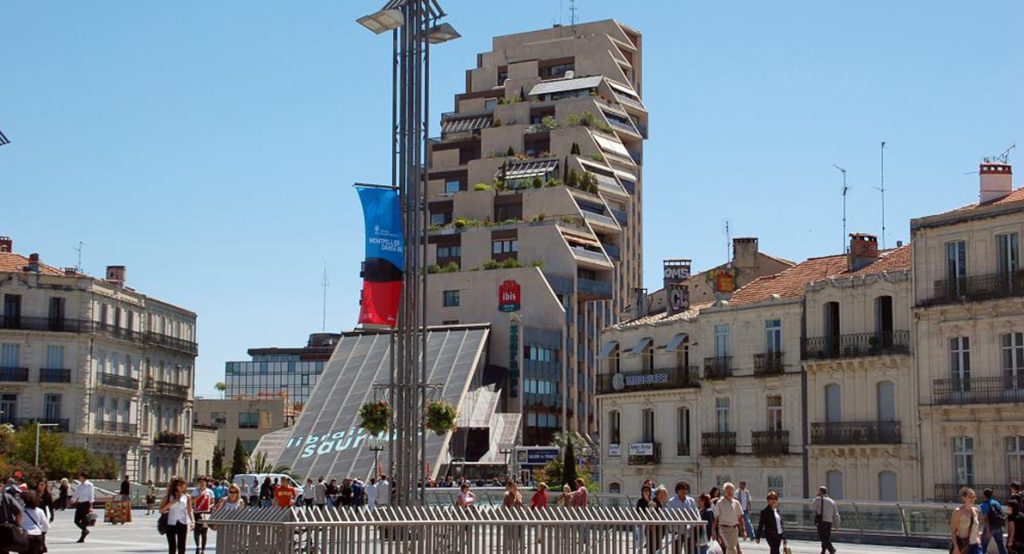
- Galerie du Triangle – Hidden Shopping in the City Center
📍 Location: Place de la Comédie, Montpellier
🚇 How to Get There: Tram lines 1, 2, or 4, stop “Comédie.”
The Galerie du Triangle is hidden under Place de la Comédie, and it feels like a secret shopping tunnel. It’s not as big as Polygone, but it has a charm of its own.
My Experience:
I came here looking for something different—and found it. There’s a small comic book store where I bought a French graphic novel (€15), and a quirky tea shop where I stocked up on herbal teas with thyme and rosemary, flavors I’d never seen outside France.
Advantages:
• Very central—easy to visit while sightseeing.
• Quirky shops with unique finds.
• Less crowded than Polygone.
Disadvantages:
• Smaller, limited selection.
• Can feel a bit dated compared to Odysseum.
Souvenir Tip: Don’t miss the tea shops—their blends make for perfect gifts, and they’re light to carry.
Traditional Markets I Recommend
- Marché des Arceaux
📍 Location: Boulevard des Arceaux, 34000 Montpellier
⏰ When: Tuesday and Saturday mornings
This is the market to visit if you want to feel like a local. Set under the aqueduct arches, it’s a postcard-perfect scene: stalls overflowing with fresh fruit, vegetables, cheeses, olives, and bread.
My Experience:
I came here early on a Saturday morning. I bought a block of Roquefort cheese (€7), a bag of sun-dried tomatoes (€4), and a loaf of olive bread (€3). I couldn’t resist eating the bread immediately—it was still warm!
Advantages:
• Authentic, local atmosphere.
• Affordable prices.
• Perfect for picnic shopping.
Disadvantages:
• Cash is king—many vendors don’t accept cards.
• Gets crowded after 10 a.m.
Souvenir Tip: Buy jars of tapenade (olive paste). Small jars cost around €5 and last months.
- Marché du Lez
📍 Location: 1348 Avenue de la Mer-Raymond Dugrand, 34000 Montpellier
⏰ When: Open daily, liveliest on weekends
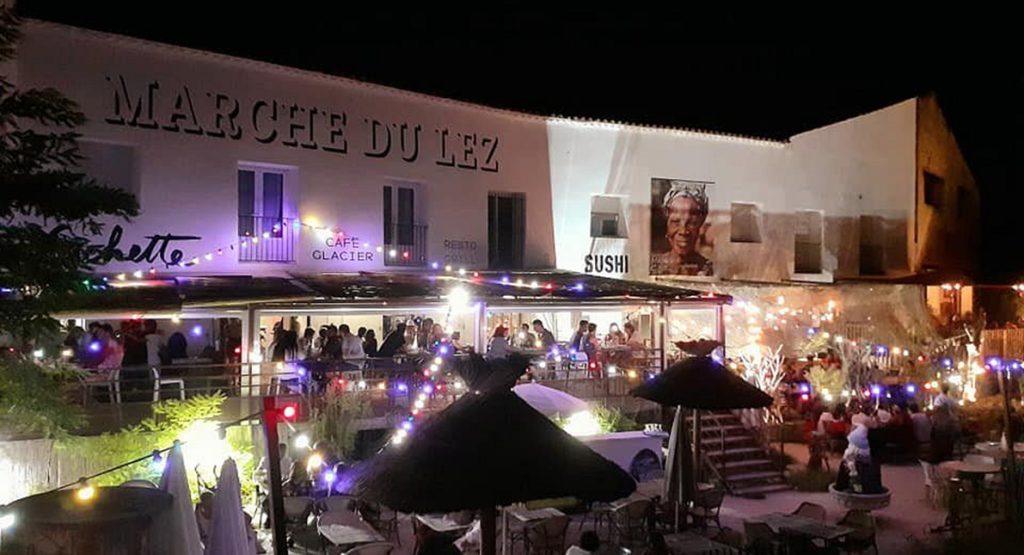
If Marché des Arceaux is traditional, Marché du Lez is Montpellier’s modern, creative twist on the market. It’s part flea market, part food hall, part hipster paradise.
My Experience:
I spent half a day here wandering between vintage clothing stalls, artisan workshops, and food trucks. I picked up a vintage leather belt (€25) and shared a plate of tapas from a food truck with friends (€12).
Advantages:
• Trendy and creative atmosphere.
• Mix of shopping and dining.
• Great for unique, one-of-a-kind souvenirs.
Disadvantages:
• More expensive than Marché des Arceaux.
• Can feel more touristy.
Souvenir Tip: Check out the upcycled home décor stalls. I found a lamp made from an old wine bottle (€45)—a perfect memory of wine country Montpellier.
Why Montpellier’s Markets and Shops Stayed With Me
Leaving Montpellier, I realized that shopping here had been far more than a practical activity. It was a journey through time, tradition, and creativity. Every shopping center and market offered me not only products but also stories, flavors, and encounters that became memories in themselves.
At Polygone, I felt the city’s rhythm—families out for the day, students browsing, travelers like me tucking away small luxuries. Odysseum showed me a futuristic Montpellier, where shopping, leisure, and science coexist in a playground of modern life. Smaller centers like St. Clément and Galerie du Triangle gave me intimacy, those rare personal conversations with shopkeepers that reminded me why I prefer local shopping over faceless online orders.
And then there were the markets. Marché des Arceaux was the Montpellier of my imagination: earthy, colorful, authentic. Here, I wasn’t just buying bread and cheese—I was stepping into centuries-old traditions of trade under the aqueduct’s arches. Marché du Lez, on the other hand, gave me a taste of Montpellier’s future: bold, creative, unafraid to reinvent itself while still rooted in its Mediterranean identity.
What struck me most is how souvenir shopping in Montpellier never felt superficial. Each item I brought home—a lavender oil, a linen dress, a jar of tapenade, a vintage belt—became a physical reminder of the city’s essence. They were not just “things,” but tokens of connection, each linked to a place, a person, a smile, a story.
Practical Reflections
• If you’re on a tight budget, head to Marché des Arceaux early in the morning. The freshness, authenticity, and affordable prices are unbeatable.
• If you’re after unique and artistic souvenirs, block out a few hours for Marché du Lez—but be prepared to spend a bit more.
• For rainy days, Polygone is your safest bet: everything under one roof.
• If you have kids or want a full-day experience, Odysseum is more than just shopping—it’s an entertainment hub.
My Personal Tip
Bring a small foldable bag inside your suitcase. I learned this the hard way when I had to buy an extra carry-on at Polygone after accumulating too many soaps, wines, and books. Montpellier is not a city where you “window shop”—it’s a city that constantly tempts you to take a piece of it home.
Why It Matters
Unlike some destinations where malls are generic, here they reflect Montpellier’s dual identity: a historical city with Roman and medieval roots, and a vibrant, youthful hub full of modernity and innovation.
Shopping in Montpellier isn’t about excess—it’s about immersion. It’s about carrying back not just souvenirs, but slices of the city’s soul: the smell of rosemary soap, the taste of Roquefort, the charm of a handmade Occitan cross, the creativity of a wine-bottle lamp.
So if you’re planning a trip here, don’t just tick off monuments and squares. Leave space in your itinerary—and in your luggage—for the markets and shops of Montpellier. Trust me, when you’re back home, sipping tea bought in Galerie du Triangle or cooking with spices from Marché des Arceaux, Montpellier will come alive again, and you’ll thank yourself for having shopped like a local.