
When most people think of Marseille and museums, one name immediately comes to mind: Mucem (Musée des Civilisations de l’Europe et de la Méditerranée). Its iconic latticework façade on the waterfront has become one of the most photographed landmarks in the city. Don’t get me wrong—I love Mucem.
On my most recent trip, I set out on a personal mission: to go beyond Mucem and explore some of Marseille’s underrated museums. What I found absolutely blew me away. From ancient archeology tucked into a shopping center, to quirky decorative arts inside a historic mansion, to an entire space dedicated to African and Oceanic cultures—you realize Marseille’s identity as a crossroads of the world is written in its museums as much as in its streets.
I’ll walk you through four museums I visited in depth, each with the artworks or artifacts that moved me most. I’ll share three pieces I personally loved and three I recommend for every traveler in each spot. I’ll also give you honest opinions about the services, advantages, drawbacks, locations, routes, ticketing, discounts, and booking platforms. Most importantly, you’ll get my raw impressions—because for me, a museum isn’t just about glass cases and labels, it’s about the feeling it leaves behind.
Musée d’Histoire de Marseille (Museum of the History of Marseille)
📍 Address: Centre Bourse, 2 Rue Henri Barbusse, 13001 Marseille
💶 Tickets: €6 standard, €3 reduced; free first Sunday of each month
🕘 Hours: Tuesday–Sunday, 9:30am–6pm (closed Monday)
🚇 Getting there: Directly behind Vieux-Port, accessible via metro line 1 (Vieux-Port stop)
I stumbled into the Musée d’Histoire de Marseille almost by accident. Tucked inside the Centre Bourse shopping mall, it didn’t seem like much from the outside—how good can a museum inside a mall be? But the moment I stepped inside, I realized I had found something special. The museum literally sits on the site of ancient Greek and Roman remains, including the old port of Massalia, Marseille’s original name. Walking through, I felt like I’d found a time machine hidden behind Zara and Sephora.
My Three Favorite Pieces
- The Greek Shipwreck (6th century BCE)
The museum displays the remains of an ancient Greek cargo ship—the oldest ever found in the Mediterranean. Its timbers are laid out in a glass case, and when I leaned in close, I could almost hear the creak of the hull and imagine sailors shouting in Ancient Greek. - The Medieval Garden Reconstruction
In the open-air area, they’ve recreated a medieval garden based on archeological findings. Lavender, sage, rosemary—it was a living exhibit, and as the scent of herbs filled the air, I felt connected not just to history, but to Marseille’s ongoing love affair with Provençal plants. - Scale Model of Ancient Massalia
A detailed model shows the city as it looked centuries ago: ramparts, trading docks, amphorae piled high. Standing over it, I thought: This was Marseille long before bouillabaisse, before football—this was where it all began.
Three Recommendations for Visitors - Roman Road Remains – preserved cobblestones you can actually walk along. Goosebumps guaranteed.
- Early Christian Sarcophagi – intricately carved, telling stories of faith from the 4th century CE.
- Interactive Digital Maps – touchscreens let you explore Marseille’s growth across 2,600 years.
My Honest Take
Pros: Excellent storytelling, central location, low ticket price. The combination of indoor exhibits with open-air archeological remains is rare and immersive.
Cons: Signage is mostly in French—if your French is limited, consider downloading their English audio guide (worth the extra €2).
Booking: I bought my ticket directly at the entrance—no line. If you like planning ahead, you can also book on the city’s official museum site: culture.marseille.fr.
Musée Cantini
📍 Address: 19 Rue Grignan, 13006 Marseille
💶 Tickets: €5 standard, €3 reduced; free every first Sunday of the month
🕘 Hours: Tuesday–Sunday, 9am–6pm (closed Monday)
🚇 Getting there: Metro line 1 or 2, Estrangin-Préfecture stop; short walk
Marseille might not be Paris, but Musée Cantini proved that the city has serious modern art credentials. Housed in a gorgeous 17th-century townhouse donated by Jules Cantini, this museum specializes in 20th-century art.
Walking in, I felt as though I had stepped into a friend’s private collection—intimate, approachable, yet stunning in scope.
My Three Favorite Works
- Picasso’s “Tête de Femme” (1943)
Standing face-to-face with a Picasso in Marseille was a pinch-me moment. The bold lines and distorted features reminded me of Picasso’s war years—dark yet powerful. - André Derain’s “Nature Morte aux Poissons”
Derain’s colors leapt off the canvas. After eating so much fish in Marseille, seeing it celebrated in Cubist form made me chuckle. - Max Ernst’s “La Joie de Vivre”
Surreal and dreamlike, this painting captured the bizarre joy of Ernst’s world. It stuck with me long after I left.
Three Recommendations for Visitors - Fauvist Paintings by Matisse – pure color joy, perfectly echoing Marseille’s light.
- Works by Raoul Dufy – playful depictions of seaside life.
- Temporary Exhibitions – Cantini often hosts seasonal shows; when I went, it featured postwar abstraction.
My Honest Take
Pros: An incredible modern art collection in a manageable size. You can cover the whole museum in about 90 minutes—perfect for an afternoon.
Cons: No café inside, so grab a coffee nearby before your visit. Also, the building is historic, so accessibility is somewhat limited.
Booking: Tickets can be bought on-site, no fuss. For special exhibitions, check TheFork-like cultural booking sites such as fnacspectacles.com.
Musée Regards de Provence
📍 Address: Allée Regards de Provence, 13002 Marseille
💶 Tickets: €6 standard, €4 reduced
🕘 Hours: Wednesday–Sunday, 10am–6pm
🚇 Getting there: Just beside Mucem; take tram T2 or T3 to Joliette, or walk 10 minutes from Vieux-Port
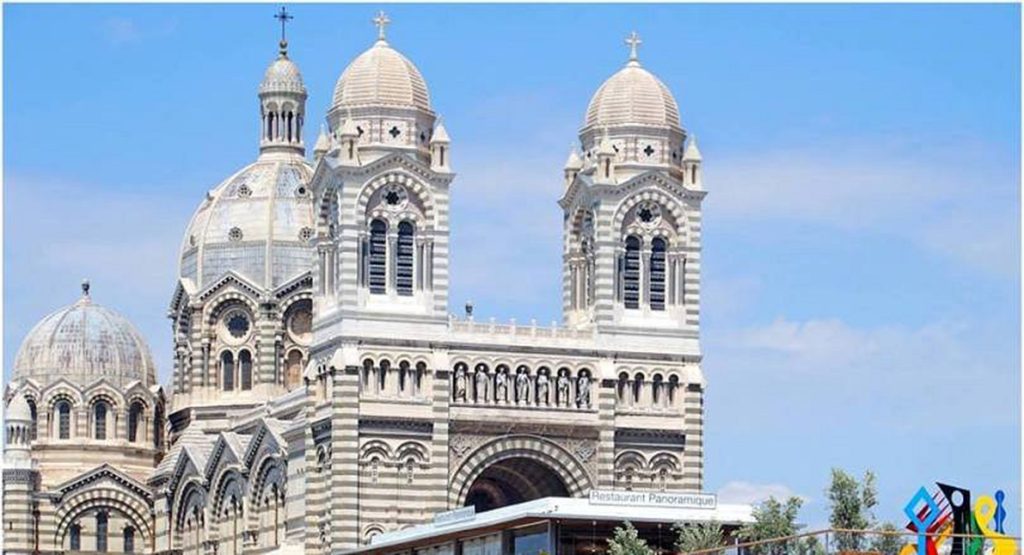
Located in a former health station for immigrants arriving in Marseille, Musée Regards de Provence immediately touched me with its story. The very building once hosted medical inspections for newcomers stepping onto French soil. Today, it celebrates Provençal art and culture.
I spent nearly three hours here, longer than I expected, because the art felt deeply tied to Marseille’s identity.
My Three Favorite Works
- Monticelli’s Sunlit Landscapes
Monticelli, a precursor to Van Gogh, painted Provençal scenes with thick brushstrokes and radiant colors. Standing before his canvases, I felt Marseille’s blazing sun on my face. - Photographs of 20th-Century Marseille
Black-and-white shots of fishermen, markets, and port life made me pause. These weren’t just images—they were Marseille’s heartbeat. - Jean-Baptiste Olive’s Harbor Paintings
Olive’s meticulous paintings of Marseille’s port shimmered with nostalgia. I recognized corners I’d just walked through hours earlier.
Three Recommendations for Visitors - Exhibitions on Immigration – reflecting Marseille’s diverse roots.
- Sculptures by César Baldaccini – playful, bold, and iconic.
- The Rooftop Café – not art, but the view over the sea is a masterpiece itself.
My Honest Take
Pros: Emotional connection to Marseille’s cultural heritage. Beautiful, light-filled spaces. The café is a hidden gem.
Cons: Smaller than other museums—don’t expect a full day here. Best paired with a visit to Mucem next door.
Booking: Easy online booking via regardsdeprovence.com. I got a combo ticket that included both the exhibition and rooftop coffee (~€10).
Musée d’Arts Africains, Océaniens et Amérindiens (MAAOA)
📍 Address: Vieille Charité, 2 Rue de la Charité, 13002 Marseille
💶 Tickets: €5 standard, €3 reduced; free every first Sunday of the month
🕘 Hours: Tuesday–Sunday, 10am–6pm
🚇 Getting there: Metro line 2, Joliette stop, then a 10-minute walk into Le Panier district
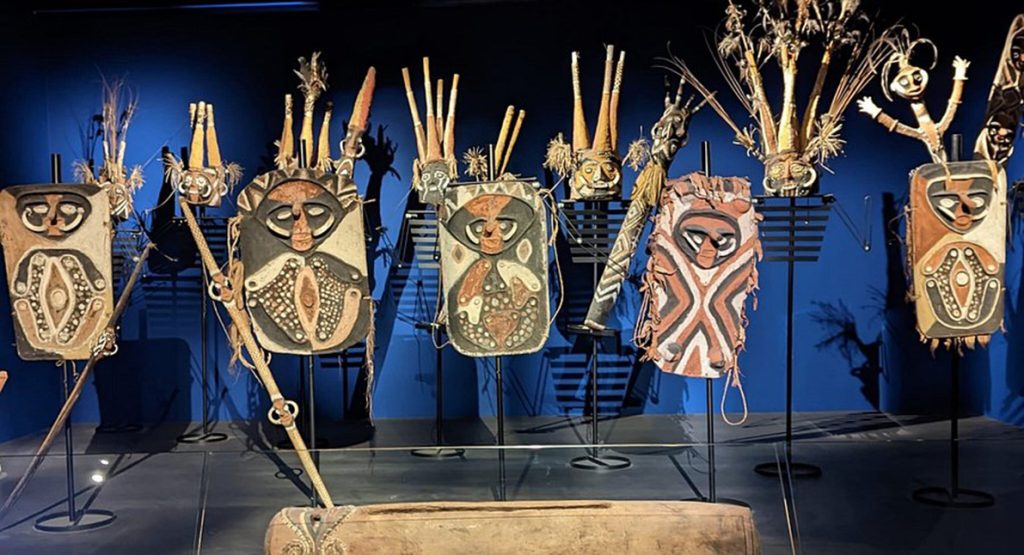
Set inside the breathtaking La Vieille Charité, a 17th-century almshouse turned cultural center, the MAAOA was perhaps the most surprising of all. Marseille has always been a port city, and here you see its links to Africa, Oceania, and the Americas.
Walking through, I felt like a traveler again—not just across time, but across oceans. Masks, totems, ritual objects—it was like stepping into the soul of civilizations far beyond Europe.
My Three Favorite Pieces
- Dogon Masks (Mali)
Towering wooden masks used in ceremonies. The raw power they carried gave me chills. - Polynesian Canoe Models
Exquisite craftsmanship—miniature but full of meaning. They reminded me of Marseille’s own maritime traditions. - Mayan Pottery
Painted vessels with intricate glyphs—each one a whisper from centuries past.
Three Recommendations for Visitors - African Ritual Objects – insight into spirituality and community life.
- Oceanic Totems – tall, imposing, unforgettable.
- Temporary Exhibitions – when I visited, there was an exhibition on Amazonian culture.
My Honest Take
Pros: Unique collection you won’t see elsewhere in France. Setting inside La Vieille Charité is breathtaking—don’t forget to wander the courtyard.
Cons: Limited explanations in English. Download the audio guide or join a guided tour if possible.
Booking: Tickets are sold on-site or via the City of Marseille cultural portal. I recommend buying a multi-museum pass (€11 for 7 days) that covers all municipal museums—it saved me a lot.
Ticketing, Discounts, and Booking Tips
• Marseille City Pass: €29 for 24 hours, €39 for 48 hours, €43 for 72 hours. Includes public transport + entry to several museums. Great if you’re hopping between multiple sites.
• First Sunday Free: Every first Sunday of the month, municipal museums are free. Expect crowds, but it’s a budget saver.
• Booking Platforms:
o culture.marseille.fr – official museum site.
o fnacspectacles.com – for special exhibitions.
o Tiqets.com – convenient for travelers who prefer English platforms.
Why These Museums Matter
As I left Marseille after days of museum-hopping, I realized how much I would have missed if I had only gone to Mucem. Don’t get me wrong, Mucem is wonderful. But these underrated museums showed me Marseille’s beating heart in unexpected ways.
• At the Musée d’Histoire, I walked the same stones as ancient Greeks.
• At Musée Cantini, I stood inches from Picassos and Ernsts, feeling the pulse of modern art.
• At Regards de Provence, I felt Marseille’s soul through sunlight, photography, and seafront views.
• At the MAAOA, I saw Marseille as a global port, deeply connected to cultures far beyond Europe.
Each museum added another layer to my understanding of the city: its past, its art, its people, and its connections to the wider world.
If Marseille is a mosaic, then these museums are the colorful tiles that make the picture whole. And as I sat with a glass of pastis by the Vieux-Port on my last evening, I thought: This is why I travel—not just to see what’s famous, but to discover what lies just beyond.