
Traveling is always about discovery — not just of new landscapes and flavors, but of the ways we adjust, adapt, and make sense of unfamiliar places. My first time in Bordeaux was no exception. I had dreamed of visiting this city for years, lured by the promise of vineyards stretching out like green velvet blankets, the grand squares shimmering in golden light, and the chance to sip some of the world’s finest wine right where it was produced. But as with any first-time trip, there were plenty of things I wish I had known beforehand.
So, if you’re planning your very first trip to Bordeaux, let me be your travel companion through words. Here are my honest, first-hand experiences — the things I packed (and should have packed), the clothes I wore, how I managed my budget, how I navigated Bordeaux’s tram system, and even how I learned the hard way to pace myself when indulging in street food. By the end, you’ll hopefully feel ready not just to visit Bordeaux, but to embrace it.
Essential Items I Wish I Had Packed
When I landed at Bordeaux–Mérignac Airport, I thought I was prepared. I had my passport, my camera, my guidebook, and even a small wine opener (which I thought was clever). But very quickly, I realized that Bordeaux demands its own special packing list.
- A Good Pair of Walking Shoes
Bordeaux is a city best experienced on foot. From the Place de la Bourse with its magical Water Mirror to the narrow cobbled lanes of the Saint-Pierre district, I walked more than 12,000 steps almost every day. I had packed stylish leather shoes, thinking I would look like a fashionable Parisian, but by the end of day one, I was limping.
Lesson learned: Bring sneakers or solid walking shoes. Comfort over style is key. - A Lightweight Rain Jacket
I visited in May, when the weather is generally mild, but Bordeaux surprised me with sudden showers. The locals seemed prepared, popping open umbrellas or pulling lightweight jackets out of nowhere. I had none, so I ducked into a café and spent a fortune on a flimsy umbrella. If I had packed my foldable rain jacket, I would have saved money and enjoyed my day without interruptions. - A Reusable Water Bottle
The French are serious about hydration and eco-consciousness. Public fountains in Bordeaux are plentiful, especially around parks and squares. Carrying a refillable water bottle not only kept me hydrated but also saved me from constantly buying bottled water. - An Extra Tote Bag
I didn’t realize how many spontaneous purchases I would make — cheese from the Marché des Capucins, a bottle of Médoc wine, even handmade soap from a small boutique. Having a lightweight tote bag kept me from feeling like a tourist juggling plastic bags. - Power Bank for Phone
Between using Google Maps, snapping photos of every vineyard, and looking up tram schedules, my phone died fast. A portable charger was a lifesaver.
Dressing for Bordeaux: Blending In and Staying Comfortable
Bordeaux has a chic, understated style. The locals don’t dress as formally as Parisians, but they are effortlessly elegant. Here’s what worked for me:
• For spring and fall: Light layers, jeans, and sneakers. A scarf is essential — it keeps you warm and doubles as a stylish accessory.
• For summer: Linen shirts, light dresses, and sandals. The sun can be strong, so sunglasses and a hat are a must.
• For winter: Bordeaux doesn’t get as cold as northern France, but a warm coat and boots are necessary. I regretted not packing gloves in December.
What struck me most was how locals combined practicality with style. Even on the tram, people looked put-together without being flashy.
Weather: What I Learned the Hard Way
I arrived expecting sunny vineyards every day. The reality? Bordeaux has an oceanic climate influenced by the Atlantic. That means:
• Unpredictable showers — I got caught in the rain twice in one afternoon.
• Mild winters — around 6°C (43°F), though damp.
• Warm but not scorching summers — usually between 25–28°C (77–82°F).
My advice: always check the daily forecast and don’t be fooled by a sunny morning. Pack layers, even in summer.
Cultural Notes: The Bordeaux Spirit
One of the things that charmed me most about Bordeaux was the rhythm of daily life. People lingered at cafés, even on weekdays. Lunch breaks were long and leisurely, and wine wasn’t reserved for evenings — I saw plenty of glasses being shared at 1 p.m.
Locals were friendly but reserved at first. A polite “Bonjour, Madame/Monsieur” before any interaction opened doors — literally and figuratively. Skipping greetings, I quickly realized, was seen as rude.
Bordeaux also carries a pride in its wine heritage. When I mentioned to a waiter that I was visiting Saint-Émilion, his eyes lit up and he gave me recommendations for small châteaux that tourists usually miss. People here live and breathe wine culture.
Currency Exchange and Budget Tips
Currency and Payment
The euro (€) is the currency. Credit cards are widely accepted, but smaller bakeries and markets sometimes prefer cash.
My Budget Experience
I went in with the idea that Bordeaux would be expensive, like Paris. To my surprise, it was more affordable — but still required planning.
• Accommodation: Mid-range hotel €90–120 per night.
• Meals: Café lunch €12–18, dinner with wine €25–40.
• Transport: Tram ticket €1.80 single, €14 for a 10-ride pass.
By planning, I managed to keep my budget around €90–120 per day, excluding wine splurges.
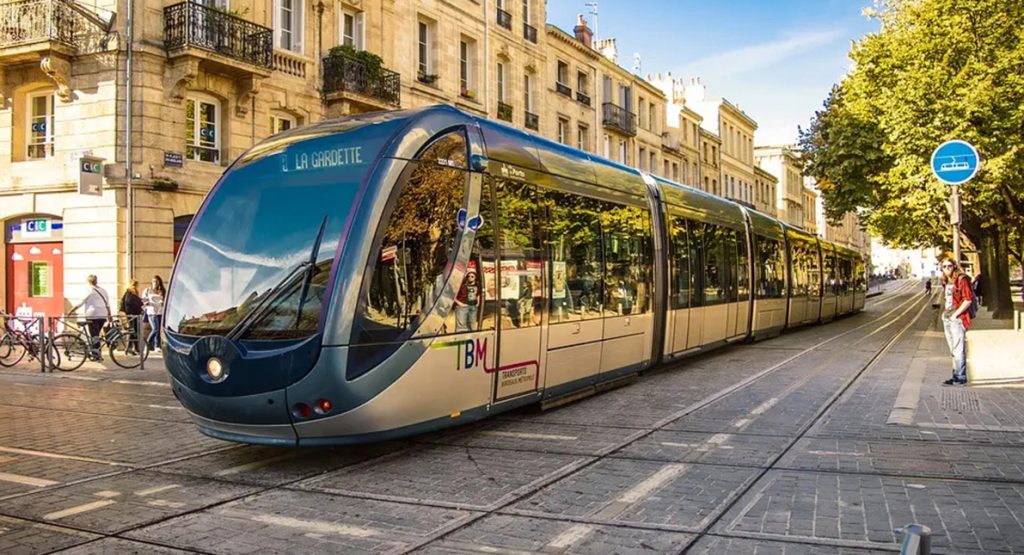
Navigating Public Transport in Bordeaux
Unlike Paris, Bordeaux doesn’t have a metro system. Instead, it relies on trams, buses, and bicycles.
Trams: My Lifesaver
The tram system is modern, clean, and efficient. Four main lines (A, B, C, D) connect almost all the key neighborhoods, from the train station (Gare Saint-Jean) to the Place des Quinconces.
• Tickets: €1.80 for a single ride, valid for 1 hour.
• Best deal: 10-ride pass for €14 or a day pass for €5.
• Where to buy: Machines at tram stops (accept cards and coins).
I loved how trams glided silently through Bordeaux’s historic streets. Sitting by the window, I often felt like I was on a moving tour.
Buses vs Trams
Buses cover areas trams don’t, but I found them less reliable during rush hour. Trams were always my first choice.
Bikes
Bordeaux is bike-friendly. The VCub bike-sharing system let me rent a bike for €1.70 for 24 hours (with 30 minutes free per ride). Riding along the Garonne River was one of the highlights of my trip.
Street Food and Food Safety
Bordeaux isn’t only about Michelin-starred restaurants and wine pairings. Street food is vibrant, especially at the Marché des Capucins.
My Favorite Bites:
• Canelés: Small caramelized pastries with a custard center. A box of six cost me €5.
• Oysters: Fresh from Arcachon Bay, served with lemon. Around €8 for half a dozen.
• Duck sandwiches: Juicy, flavorful, and messy in the best way. €7–9.
Food Safety Tips
I learned to:
• Avoid seafood stalls after mid-afternoon when freshness is questionable.
• Carry tissues and hand sanitizer (many stalls don’t have napkins).
• Watch where locals queue — that’s where the best food usually is.
Staying Connected: Buying a SIM Card
Getting a French SIM made my trip easier. At the Bordeaux airport, I bought a Orange Holiday Europe SIM for €39.90, which included 20GB data, calls, and texts.
Other good options:
• SFR La Carte (€20 with data top-ups).
• Bouygues Telecom prepaid (€29.90 for 20GB).
Tip: Don’t rely only on airport kiosks — city shops often have cheaper deals.
My 5-Day Mini Itinerary
Here’s how I paced myself during my first visit:
Day 1: Explore Bordeaux center — Place de la Bourse, Water Mirror, Rue Sainte-Catherine shopping.
Day 2: Saint-Émilion day trip (wine tasting and medieval village walk).
Day 3: Museums — Cité du Vin, CAPC Museum of Contemporary Art.
Day 4: Garonne River walk + Darwin Ecosystem (hip urban space).
Day 5: Arcachon Bay for oysters and the Dune du Pilat.
This balance of city, culture, wine, and nature made my trip unforgettable.
Budget Adjustments: Where I Saved and Splurged
• Saved on: Public transport passes, supermarket picnic lunches (€6–8).
• Splurged on: Château wine tastings (€25–40) and a river cruise (€20).
Recommended Day Trips
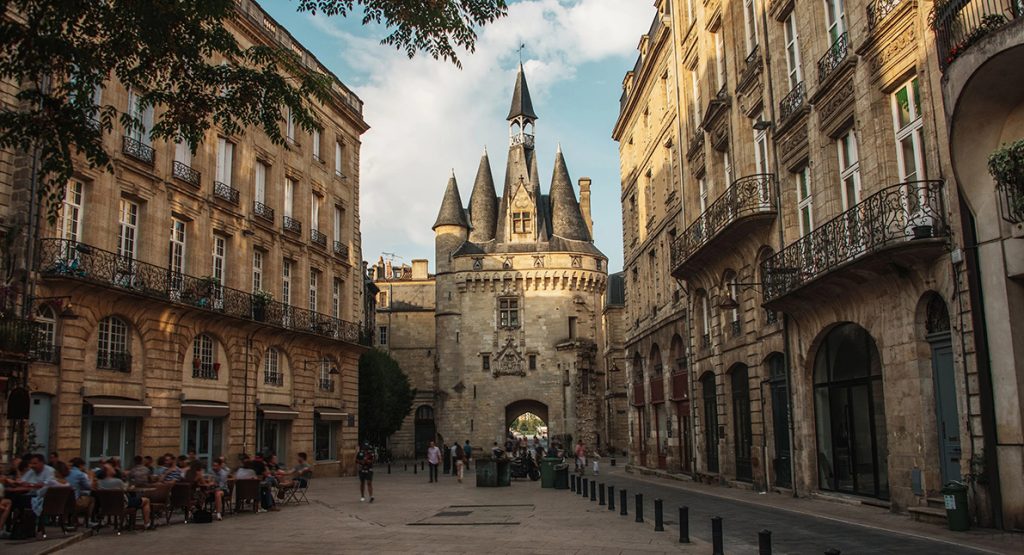
• Saint-Émilion: Medieval charm + vineyards. 40 minutes by train.
• Arcachon Bay: Oysters, beaches, and Europe’s tallest sand dune.
• Médoc Wine Route: Hire a bike or car for scenic château visits.
• Cognac: 1.5 hours away, for brandy lovers.
Travel Insurance: Don’t Skip It
I always travel with insurance, and for this trip I used Allianz Travel Insurance – Single Trip Plan.
• Cost: Around €40 for one week.
• Coverage: Medical emergencies up to €50,000, trip cancellations, lost luggage.
• Why it mattered: I slipped on wet tram steps — nothing serious, but it reminded me that accidents happen. Having coverage gave me peace of mind.
Looking back, Bordeaux was both everything I expected and full of surprises. I went for the wine but discovered so much more: the rhythm of the trams, the taste of fresh oysters, the kindness of a shopkeeper who insisted I try her favorite cheese.
If I could give one piece of advice, it’s this: don’t rush Bordeaux. Take your time to walk, to taste, to sit by the Garonne and watch the city unfold at its own pace.
And above all, go prepared — with the right shoes, a tram pass, a flexible budget, and an open heart. Because Bordeaux isn’t just a destination. It’s an experience that stays with you, like the lingering taste of a fine wine long after the glass is empty.